A crucial debate on the new EU budget is underway. The European Commission proposes simplifying and merging programs that support civil society under the AgoraEU banner. Although funding is set to increase compared to current levels, civil society organizations are appealing: this is still not enough in the face of growing inequalities and the crisis of democracy. We have joined over 500 organizations from across Europe and together called on European decision-makers negotiating the next multiannual financial framework to support an increase in the AgoraEU program’s funding, in line with the European Parliament’s proposal.
What has European civil society already done on this issue?
More than 500 organisations from across Europe and beyond have joined forces to call on European policymakers negotiating the next MFF to support an increase of the AgoraEU’s programme, as proposed by the European Parliament, and to prioritise funding for democracy in the future budget. The signatories together represent a diversity of sectors, from culture and creation to journalism, from fundamental rights to civic participation, from independent media to equality and the rule of law. At the same time, the organizations have called for funding to strengthen democracy to be prioritized in the next EU budget. You can read our joint letter here: Call to support a strengthened AgoraEU in the next MFF.
Despite already a favourable vote on this matter by EP’s budget committee the work is not finished. Support for this initiative is still needed!
You can still get involved!
In order to continue building political momentum, please consider joining our initiative, and ask organizations in your network to do the same. You can join our letter by adding your organization’s signature via this FORM.
You can then publish the letter on your website and use your social media channels to publicize our joint letter and call on EU (as well as national) decision-makers to support an increase in the budget for the AgoraEU program. It is a simple gesture, but one that can contribute to the emerging mass movement to ensure adequate operating conditions for civil society organizations dedicated to the quality of our democracies and European values across the continent.
Let’s not wait for others to make decisions for us, but let’s encourage decision-makers to respond to our needs and recognize the role we play every day!
We welcome the European Commission’s proposal for the AgoraEU programme and other initiatives under the scope of current consultations. In our opinion they not only are in line with the European Commission 2024-2029 Political Guidelines, but also with the priority of a free and democratic Europe set out in the 2024-2029 EU Strategic Agenda. In our feedback opinion we especially focus on planned AgoraEU programme, while endorsing not only the scope of its work, which aims to support the pillars of a strong democracy, including culture, media and civil society. We are also pleased to note the positive developments regarding the value of proposed suport, as the AgoraEU proposal provides for a total financial envelope of EUR 8.58 billion, exceeding the combined allocations of the current CERV and Creative Europe programmes and thereby enabling reinforced investment in culture, the media, democracy, rights and equality. We believe that the Commission’s proposal will go a long way towards meeting the needs of European societies and recognises the role that civil society organisations (CSOs) play in meeting those needs.
In addition, we believe that for the new EU funding period, we need solutions that (1) will enable us to fully capitalise on the potential of the European civil society sector; (2) will promote greater access to EU funds for smaller organisations, including those operating at local level and (3) the shape of the future EU budget allowing also for the implementation of the provisions of bold policy documents recently adopted by the European Commission. These are, namely, the European Civil Society Strategy and the European Democracy Shield. Achieving all these goals will be possible thanks to the recommendations presented in the following sections of our opinion.
In order to operate effectively, CSOs need support that is not only adequate in amount, but also allocated on the basis of appropriate rules. The latter should enable achieving the results falling in two main thematic areas. 1. Increasing the accessibility of funds for smaller CSOs and making spending rules more flexible through: expanding the use of grant distribution by intermediaries, which independence from public authorities and compliance with the Charter of Fundamental Rights should be secured; guaranteing CSOs’ access to institutional (operating) grants in all new programmes and their individual strands; limitting OR removing co-financing requirement for non-profit organisations acting as intermediaries under cascading grants scheme, as well as for smaller CSOs; establishing, in the regulations defining individual programmes and the rules for their implementation, a minimum level of funds that must be allocated to independent civil society organisations under each programme and its every strand. 2. Introducing mechanisms that will enable the implementation of EU policies on civil society by: explicitly recognising in the AgoraEU regulation the role of advocacy as a key part of CSOs’ work and the involvement of civil society in policymaking as integral elements of strengthening democratic participation and societal resilience; transfering the current Working Group on Civil Dialogue mechanism to the AgoraEU regulation to use the experience form this already proven structure when creating a new system of civil dialogue; adding a coordination mechanism between various donors and philanthropic organisations to facilitate strategic dialogue and enable co-granting and strategic collaboration with EU programmes.
These are just the most significant solutions worth implementing in the final version of the documents defining the structure and rules for spending the future multiannual financial framework. A more detailed description of our postulates contains the attached document.
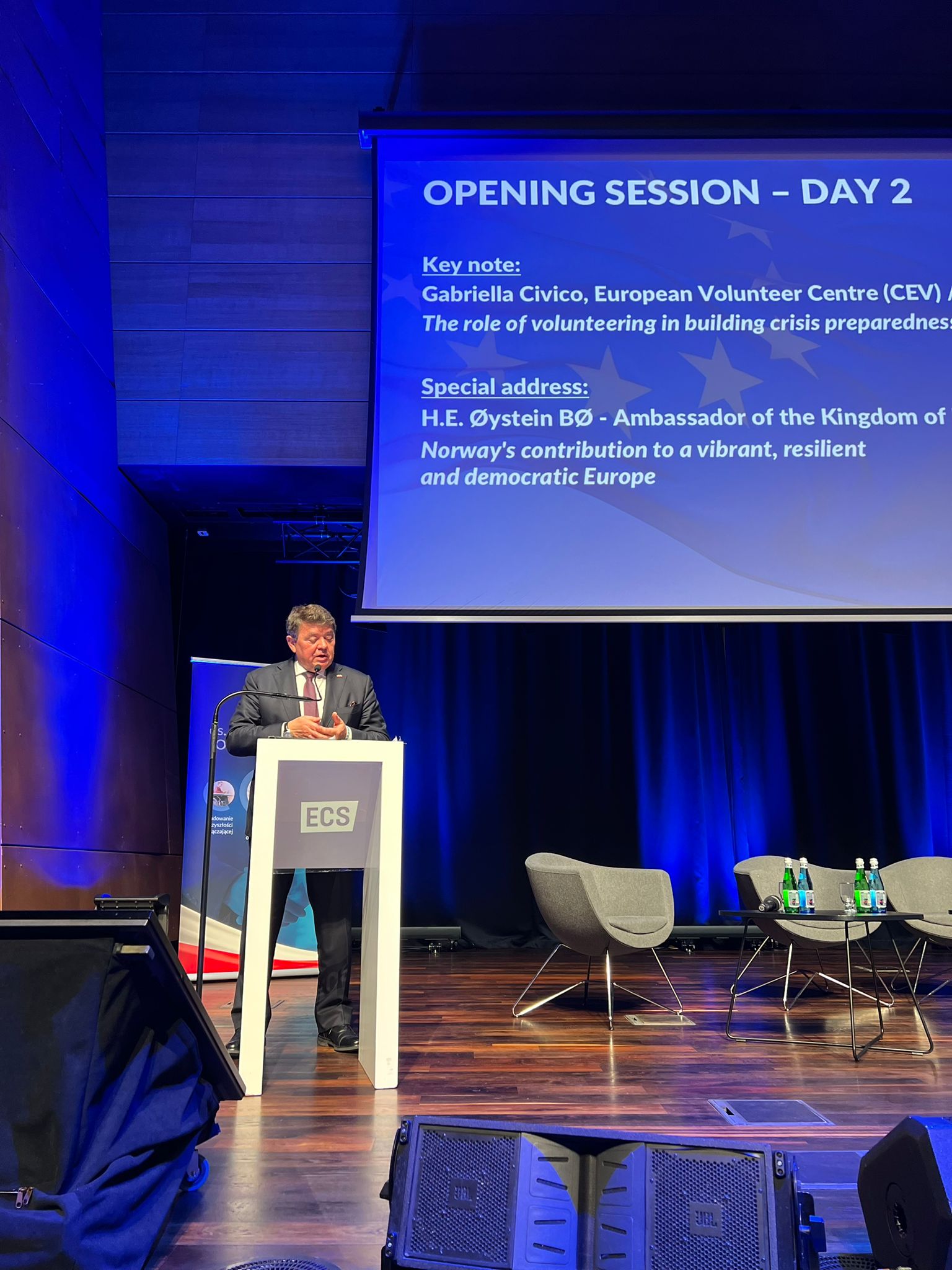
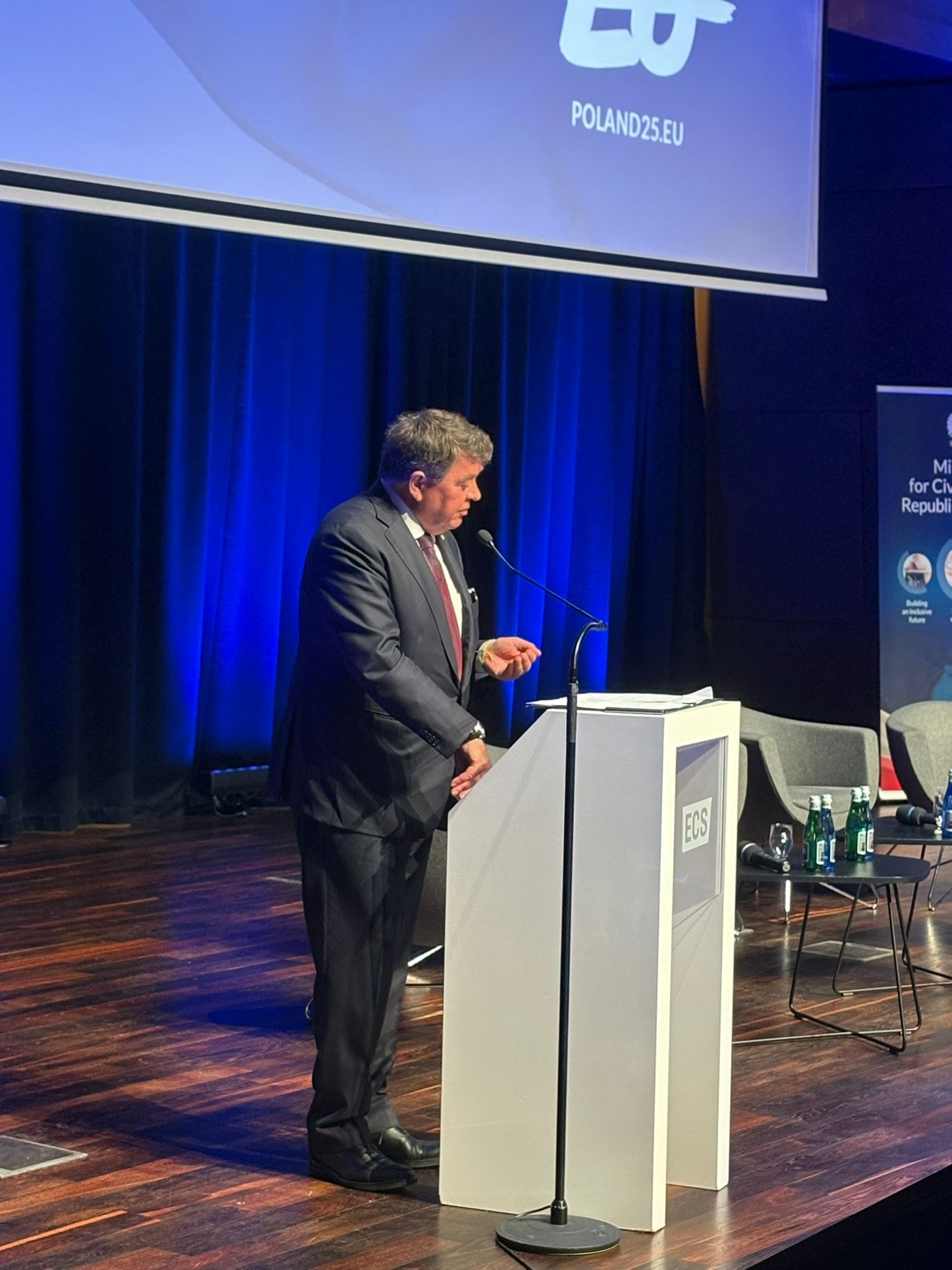
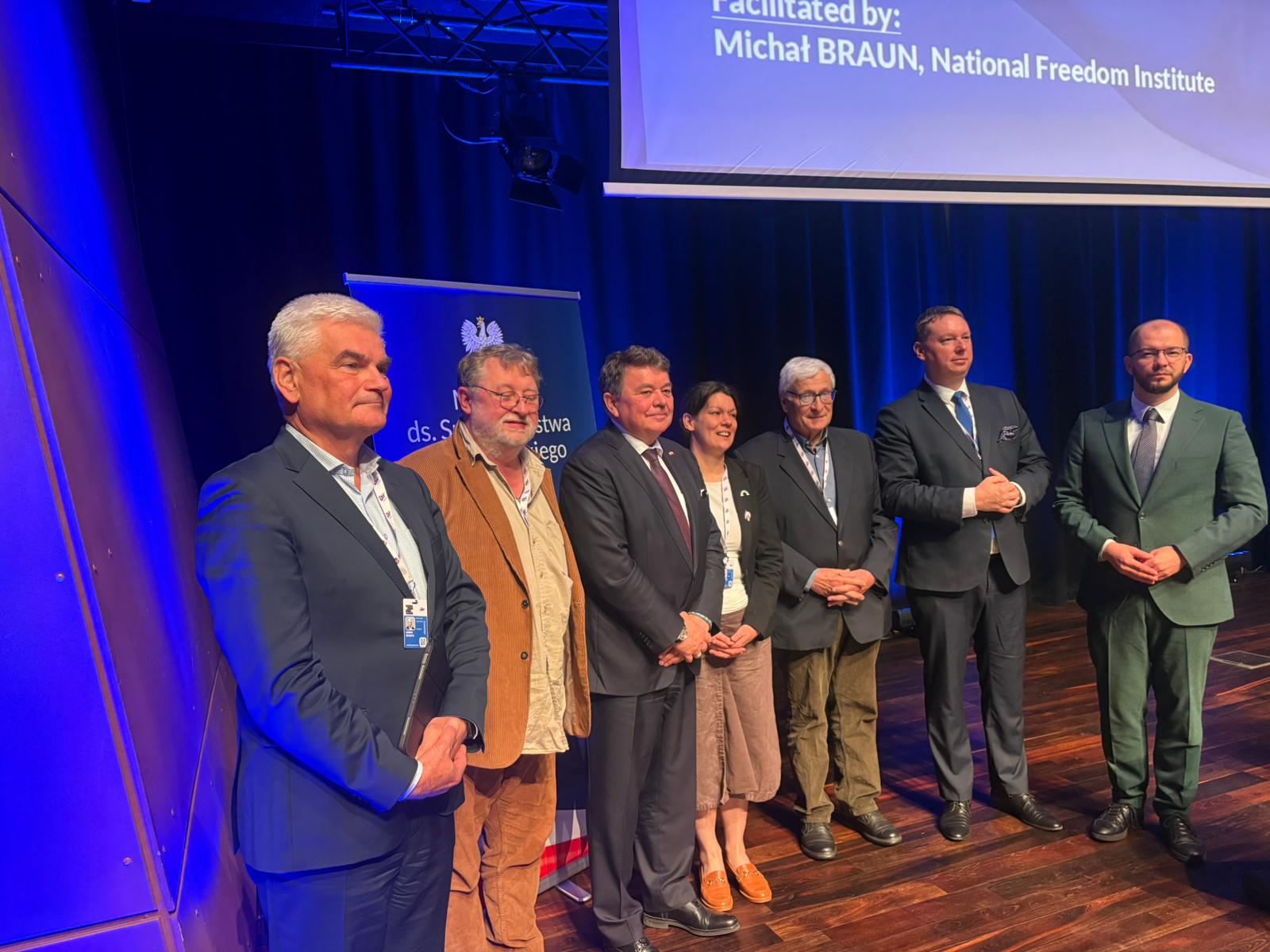
The open call for the Polish operator of the Civil Society Fund was conducted by the Financial Mechanisms Office in Brussels. The result of the call was announced by the Ambassador of the Kingdom of Norway Øystein Bø on June 10 during the conference “Civil society as a factor in building resilience to crisis phenomena in contemporary Europe. Experiences and challenges” in Gdansk.
The Civil Society Fund is the next round of support from the EEA and Norwegian Funds. Under the Fund, we will support organisations carrying out activities in the following areas:
Democratic values, civic engagement, and media literacy
CSO participation in democratic processes
Human rights, anti-discrimination, and social inclusion
Gender equality, including sexual and reproductive health and rights, and LGBTIQ+ rights
Climate action, environmental protection, and a just green transition
Organisational development and an enabling environment for civil society
The first call for proposals will be announced in late 2025/early 2026.